Ptosis Drooping Eyelid
Ptosis occurs when an upper eyelid droops lower than normal. Depending on its severity and cause, it can affect appearance and, in some cases, interfere with the visual field.
Our care team will contact you shortly.
The structures around the eye—including the eyelids, orbit, tear ducts and surrounding tissues—play an important role in protecting the eye, maintaining healthy vision and contributing to facial appearance.
Damage, disease, trauma, congenital conditions or loss of an eye can affect both function and appearance. At Susrut Eye Foundation & Research Centre, specialised oculoplasty care focuses on the diagnosis and treatment of eyelid, orbital and tear-drainage conditions, along with reconstructive procedures and prosthetic eye services.
Orbit & Oculoplasty
This page provides general information about oculoplasty and prosthetic eye care. The appropriate treatment depends on the patient's individual condition and requires evaluation by a qualified ophthalmologist.
Oculoplasty, or oculoplastic ophthalmology, is a specialised area of eye care dealing with conditions affecting the structures surrounding the eye.
These include:
Oculoplastic treatment may be required for medical conditions, injuries, congenital problems, tumours or reconstructive needs.
It can aim to protect the eye, restore function, reconstruct damaged structures, improve appearance and support rehabilitation.
Susrut's current Oculoplasty service describes care for eyelid disorders, tear ducts, orbital problems, cosmetic and reconstructive eye surgery, and artificial-eye fitting.
Oculoplastic care covers a wide range of conditions affecting the eyelids, orbit, tear ducts and tissues surrounding the eye.
Ptosis occurs when an upper eyelid droops lower than normal. Depending on its severity and cause, it can affect appearance and, in some cases, interfere with the visual field.
Entropion occurs when the eyelid turns inward. The eyelashes may rub against the surface of the eye, causing irritation, watering and discomfort.
Ectropion occurs when the eyelid turns outward. It may interfere with normal tear drainage and expose the eye surface, potentially causing irritation and watering.
Blocked tear ducts can cause persistent watering. Depending on the location and cause of the blockage, treatment may include procedures such as DCR (dacryocystorhinostomy).
Injuries around the eye can affect the bones, muscles and soft tissues of the orbit. Oculoplastic and orbital reconstruction may be required following significant trauma.
Trauma can cause cuts, tissue loss or structural damage to the eyelids. Reconstructive surgery may be required to restore eyelid function and protect the eye.
The orbit is the bony cavity that contains the eye and associated structures. Orbital conditions may require specialist evaluation and, in selected cases, surgery.
Thyroid eye disease can affect the tissues around the eyes and may cause:
Growths affecting the eyelids or tissues around the eye require appropriate assessment. Where surgery is required, reconstruction may be planned alongside removal of the lesion.
Oculoplasty is not only about appearance. The eyelids protect the eye and help maintain a healthy ocular surface. Damage to the eyelids, orbit or surrounding tissues can therefore affect both function and appearance.
Reconstructive procedures may be considered following:
When an eye injury changes more than vision, recovery is about more than seeing again. It can also be about restoring confidence, comfort and a sense of normalcy.
Loss of an eye can be emotionally and physically difficult. A prosthetic eye, also called an ocular prosthesis, is an artificial eye designed to restore the appearance of the eye after loss of the natural eye.
Susrut's clinical-services ecosystem specifically lists a Prosthetic Clinic, describing a prosthetic eye as an artificial eye or ocular prosthesis.
Understanding the patient's condition and the status of the eye socket.
Assessing the tissues and space available for the prosthesis.
Selecting or creating an appropriate ocular prosthesis based on individual requirements.
Positioning and assessing the prosthesis for appropriate fit.
Where applicable, the appearance can be matched to the other eye as closely as possible.
Regular review may be required to assess comfort, fit and socket health.
An ocular prosthesis may be considered for people who have lost an eye because of injury, disease, tumour, surgery or congenital conditions.
The need for a prosthetic eye depends on the individual's condition and the status of the eye socket.
Loss of the eye following significant ocular trauma.
Certain severe eye conditions may result in loss of the eye.
Removal of an eye may sometimes be required as part of tumour treatment.
An ocular prosthesis may be considered following procedures such as enucleation.
Congenital absence or abnormal development of the eye may require prosthetic care.
Susrut's current Oculoplasty & Ocular Oncology service identifies artificial-eye fitting for patients who have lost an eye, including artificial eye prosthesis following procedures such as enucleation.
Although both can have an aesthetic purpose, they are designed for very different situations.
A prosthetic eye is an ocular prosthesis designed for a person who has lost an eye or has a non-functional eye requiring prosthetic rehabilitation.
A cosmetic contact lens, by contrast, is worn over an existing eye to alter or enhance its appearance.
The appropriate option depends on the patient's eye condition and anatomy. A specialist assessment can help determine which form of care is appropriate.
The consultation is tailored to your clinical history, eye socket and individual prosthetic needs.
The specialist evaluates the eye socket and surrounding tissues.
Your medical history, previous surgery and expectations are considered.
The appropriate prosthetic option is assessed.
The prosthesis is positioned and evaluated for fit and appearance.
Follow-up helps assess comfort, fit and the condition of the surrounding tissues.
The exact process depends on the patient's clinical history and whether reconstructive surgery or other treatment is required.
A serious eye or facial injury may affect several structures around and within the eye. Oculoplastic assessment can help identify injuries that may require specialist treatment.
Treatment may require collaboration between different ophthalmic and surgical specialties, depending on the nature and extent of the injury.
A significant injury around the eye should be assessed urgently, even if the eye initially appears normal.
Depending on the condition, eyelid surgery may be considered for a range of eyelid disorders and reconstructive needs.
The objective of eyelid surgery is not simply cosmetic. Proper eyelid position and movement can be important for several aspects of eye health and visual comfort.
Excessive watering can sometimes result from obstruction of the tear-drainage system.
Depending on the cause and location of the obstruction, a specialist may recommend further investigation or treatment.
Dacryocystorhinostomy (DCR) is a surgical procedure used to create a new pathway for tear drainage in selected patients with lacrimal drainage obstruction.
Oculoplasty overlaps closely with the management and reconstruction of certain ocular and periocular tumours.
Susrut's existing service page describes its ocular oncology scope as including tumours affecting the eyelids, conjunctiva, retina, uveal tract and orbit.
Treatment depends on the type, location and extent of the tumour. Depending on the diagnosis, management may include:
Specialised care for the eyelids, orbit, tear ducts and prosthetic rehabilitation within a comprehensive ophthalmic environment.
Susrut has dedicated Oculoplasty specialists, including doctors with specific Orbit & Oculoplasty training.
Treatment is focused not only on appearance but also on protecting the eye, restoring function and supporting rehabilitation.
Susrut's clinical-service ecosystem includes a dedicated Prosthetic Clinic for ocular prosthesis-related care.
Oculoplasty patients may require coordination with other ophthalmic subspecialties depending on the underlying condition. Susrut operates multiple ophthalmic specialties within its clinical-service network.
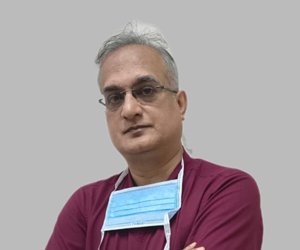
Consult our ophthalmologists with expertise in oculoplasty, orbital disorders, eyelid conditions, tear-duct problems, reconstructive surgery and prosthetic eye care.
Oculoplasty
Reg. No.: 50589 (WBMC)
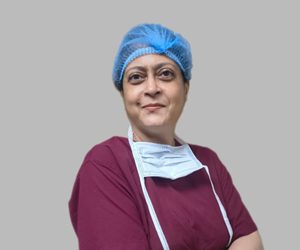
Saltlake
Glaucoma Care, Lasik & Refractive, Cataract & Cornea, Oculoplasty
Reg. No.: 71709 (WBMC)
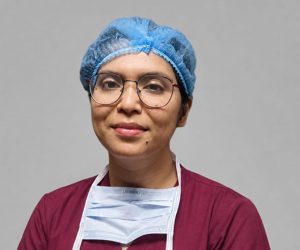
Saltlake
Oculoplasty, Cataract & Cornea
Reg. No.: 57256 (WBMC)
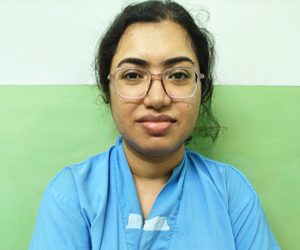
Saltlake
Oculoplasty
Reg. No.: 73055 (WBMC)
Saltlake, Hatibagan, Berhampore
Oculoplasty, Cataract & Cornea
Reg. No.: 72778 (WBMC)
Berhampore
Consider an oculoplasty consultation when a condition affects the eyelids, tear drainage system, orbit or appearance of the eye.
Answers to common questions about oculoplasty, prosthetic eye care, eyelid surgery and tear-duct procedures.
An oculoplasty surgeon specialises in conditions and procedures involving the eyelids, orbit, tear ducts and tissues around the eye, including reconstructive procedures.
Oculoplasty surgery includes procedures designed to treat or reconstruct structures around the eye, including eyelid, orbital and lacrimal surgery.
No. Oculoplasty can be performed for medical, functional, reconstructive and cosmetic reasons.
A prosthetic eye, or ocular prosthesis, is an artificial eye designed to restore the appearance of an eye after loss of the natural eye.
No. A conventional ocular prosthesis is primarily intended for cosmetic and rehabilitative purposes and does not restore normal sight.
The lifespan varies depending on the individual, the prosthesis, socket condition, care and other factors. Regular assessment is recommended.
Some prostheses may have movement that follows the movement of the eye socket, but the degree of movement varies depending on the individual anatomy and surgical history.
Yes. Prosthetic rehabilitation can be considered after procedures involving removal of the eye, depending on the condition of the socket and surrounding tissues.
DCR, or dacryocystorhinostomy, is a procedure used in selected cases of tear-drainage obstruction to create a new pathway for tears.
No. Eyelid surgery can be required to correct functional problems such as ptosis, entropion or ectropion and to reconstruct damage following injury or tumour removal.
A significant injury around the eye should be assessed promptly by an appropriate medical professional, particularly if there is pain, swelling, bleeding, double vision, reduced vision or visible structural damage.
Losing an eye can change more than the way a person sees the world. It can affect confidence, social interactions and the way a person feels about their appearance.
Prosthetic rehabilitation can help restore the appearance and symmetry of the eyes, while compassionate clinical care can help patients move forward with greater confidence.
Explore Prosthetic Eye Care at SusrutWhether you are dealing with an eyelid problem, persistent watering, an orbital condition, an eye injury or the loss of an eye, specialised assessment can help determine the appropriate treatment or rehabilitation pathway.