Phacoemulsification
A commonly used, small-incision cataract surgery technique in which the cloudy lens is removed and replaced with an intraocular lens (IOL).
Our care team will contact you shortly.
Cataract is one of the most common causes of progressive vision loss. It occurs when the eye's natural lens becomes cloudy, making everyday activities such as reading, recognising faces, travelling or driving at night increasingly difficult.
Cataract is treatable. When cataract begins affecting your vision and quality of life, an ophthalmologist can evaluate your eyes and determine whether surgery is appropriate.
At Susrut Eye Foundation & Research Centre, patients have access to specialist ophthalmic care, modern diagnostic facilities and cataract surgery and intraocular lens options based on their individual clinical needs.

Cataract & Anterior Segment
This page provides general information about cataracts and cataract surgery. Individual treatment decisions should be made after consultation with a qualified ophthalmologist.
A cataract develops when the normally clear natural lens inside the eye becomes cloudy.
The lens normally focuses light onto the retina to help produce a clear image. As it becomes cloudy, vision can gradually become blurred, hazy or less colourful.
Cataracts usually develop gradually. Recognising the early symptoms can help you seek an eye examination at the right time.
Objects may appear less sharp or clear, making everyday activities increasingly difficult.
Driving or navigating in low-light conditions may become increasingly difficult.
Bright lights may appear uncomfortable, with glare or halos around light sources.
Colours may appear dull, yellowish or less vibrant than they normally do.
You may find that your glasses prescription needs to be changed more often.
Reading or other close-up activities may become easier only under brighter lighting.
Book an eye examination with our specialist ophthalmic team.
Cataracts can develop for several reasons. Ageing is the most common factor, but certain health conditions, medications and previous eye problems may also increase the risk.
Changes in the proteins within the natural lens can gradually cause clouding.
People with diabetes may have an increased risk of developing cataracts.
Previous trauma or injury to the eye can contribute to cataract formation.
Long-term use of certain steroid medications can increase cataract risk.
Some people may have a greater tendency to develop cataracts because of their family history.
Certain ocular conditions or previous procedures may contribute to secondary cataract formation.
A cataract does not necessarily need to be removed as soon as it is diagnosed. The decision to undergo surgery is generally based on how much the cataract is affecting your vision and your everyday life.
You may want to discuss cataract surgery with an ophthalmologist if cataract is making it difficult to:
Difficulty reading books, newspapers or screens despite appropriate glasses.
Trouble recognising people or seeing facial details clearly.
Reduced vision interfering with professional or occupational activities.
Difficulty navigating familiar or unfamiliar places independently.
Increased difficulty with night driving, glare or low-light conditions.
Vision problems preventing you from enjoying activities you normally do.
The severity of a cataract and its impact on daily activities can vary from person to person. A detailed eye examination helps determine the most appropriate treatment approach.
The decision to undergo cataract surgery should be made after a comprehensive eye examination and discussion with your ophthalmologist.
Removing the Clouded Lens and Replacing It With an Intraocular Lens
Cataract surgery involves removing the cloudy natural lens and replacing it with an artificial intraocular lens (IOL).
Susrut's cataract services include modern cataract surgery options, with the surgical approach and lens selection considered according to each patient's individual clinical needs.
A commonly used, small-incision cataract surgery technique in which the cloudy lens is removed and replaced with an intraocular lens (IOL).
Laser technology may be used in selected cases as part of the cataract surgical procedure.
The most suitable IOL is not the same for every patient. Your ophthalmologist will recommend an option based on your eye measurements, ocular health, lifestyle and visual expectations.
Designed primarily to provide clear vision at a selected distance.
Selected-distance visionDesigned to provide vision across multiple distances and may reduce dependence on glasses for some patients.
Multiple-distance visionExtended Depth of Focus lenses are designed to provide an extended range of functional vision.
Extended range of visionDesigned for patients with astigmatism when clinically appropriate.
Astigmatism correctionYour ophthalmologist will assess your eye health, measurements, lifestyle and visual expectations before recommending the most appropriate IOL option.
A thorough eye examination is an important part of planning cataract surgery. Your ophthalmologist will assess your eyes and overall clinical needs before recommending the appropriate treatment.
Your ophthalmologist may assess the following factors to help plan your cataract surgery and determine the appropriate IOL.
Assessment of how clearly you can see.
Examination of the overall condition of your eyes.
Evaluation of the extent and effect of the cataract on your vision.
Measurements that may be required for surgical planning.
Eye measurements help determine the appropriate IOL requirements.
Identification of other conditions that may affect treatment planning.
Relevant medical conditions and medicines may also be reviewed.
Tell your doctor about all medicines you are taking.
If you wear contact lenses, your doctor may advise you to stop wearing them for a specified period before measurements or surgery.
Plan for someone to accompany you home if advised.
Follow the hospital's instructions regarding cosmetics, creams and lotions around the eyes.
Follow the specific instructions provided by your ophthalmologist and the Susrut surgical team before your procedure.
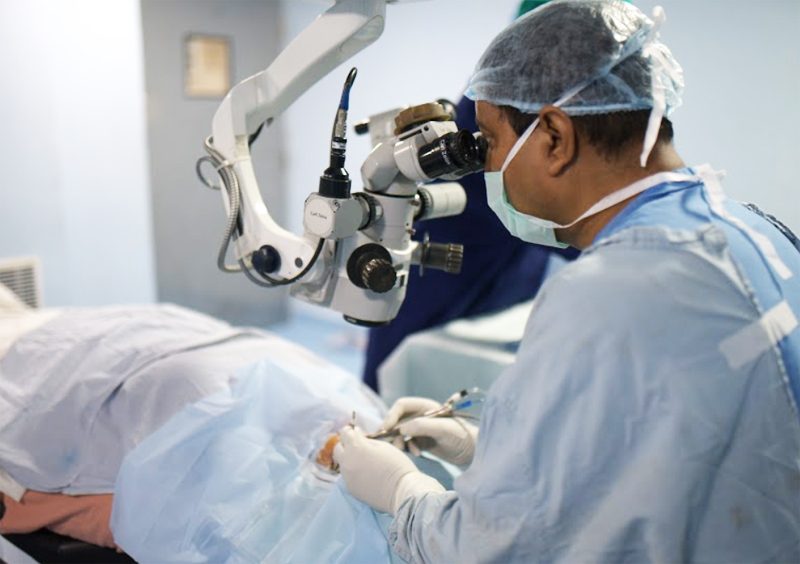
Cataract surgery is generally performed as an outpatient/day-care procedure. The cloudy natural lens is removed and an artificial intraocular lens is placed inside the eye.
The actual surgical procedure is relatively short, although the complete hospital visit—including preparation, surgery and post-operative observation—takes longer. The exact duration varies depending on the patient, procedure and clinical circumstances.
Your eye is prepared for the procedure and the surgical team completes the necessary pre-operative checks.
The cloudy natural lens is carefully removed using the surgical technique selected for your clinical needs.
An artificial intraocular lens (IOL) is placed inside the eye to replace the cloudy natural lens.
Every cataract procedure is individually planned. Your ophthalmologist will recommend the appropriate surgical approach based on your eye health, measurements and clinical needs.
Recovery varies between individuals. After surgery, your ophthalmologist will provide instructions to help protect your eye and support a smooth recovery.
Use prescribed eye drops and medicines exactly as directed by your ophthalmologist.
Follow your doctor's advice regarding protection of the operated eye.
Follow the recommended restrictions on physical activity during your recovery.
Maintain appropriate eye hygiene according to the instructions provided by your care team.
Attend all scheduled follow-up appointments so your recovery can be monitored.
Ask your ophthalmologist when it is appropriate to resume specific daily activities.
Contact your eye-care team promptly if you experience any of the following symptoms:
Cataract surgery removes the cloudy natural lens and replaces it with an artificial intraocular lens designed to remain in the eye for the long term.
The cloudy natural lens that is removed during cataract surgery does not grow back.
The artificial intraocular lens (IOL) is designed to remain inside the eye for the long term.
Some patients can develop posterior capsule opacification (PCO) after cataract surgery.
PCO is sometimes called a "secondary cataract", although it is not a recurrence of the original cataract.
PCO can often be treated with a laser procedure called YAG laser capsulotomy.
If vision becomes blurred again after cataract surgery, consult your ophthalmologist for an examination to determine the cause and appropriate treatment.
If cataracts are present in both eyes, your ophthalmologist will advise you about the appropriate treatment sequence.
In many cases, the eyes are treated separately, with the timing of the second procedure determined by the surgeon and the patient's clinical circumstances.
Whether same-day bilateral surgery is appropriate depends on individual factors and the treating ophthalmologist's recommendation.
The decision about when and how both eyes should be treated should be made after a comprehensive examination and discussion with your ophthalmologist.
Cataract surgery is a commonly performed ophthalmic procedure, but like every surgery, it has potential risks and complications.
Your ophthalmologist should explain the benefits, limitations and risks relevant to your individual eye condition before you consent to surgery.
A comprehensive assessment and discussion with your ophthalmologist helps determine whether cataract surgery is appropriate for you.
Cataract care at Susrut combines specialist ophthalmic expertise, modern surgical techniques and personalised treatment planning.
Patients can access ophthalmologists with expertise in cataract and related ophthalmic subspecialties.
Cataract surgery options include phacoemulsification and, for appropriate patients, femtosecond laser-assisted surgery.
Different IOL technologies can be considered according to individual clinical requirements and visual goals.
Patients can be evaluated for other ocular conditions that may affect vision and treatment outcomes.
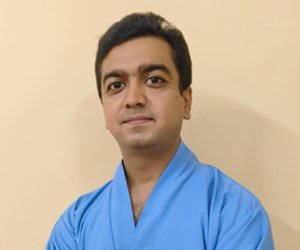
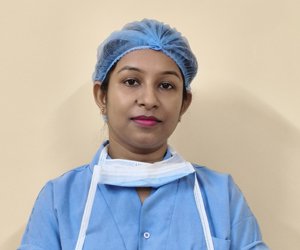
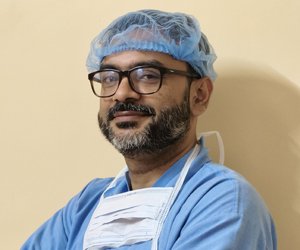
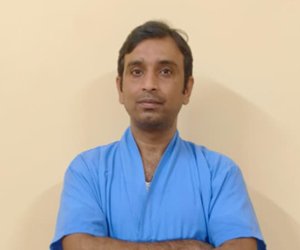
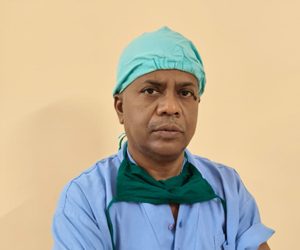
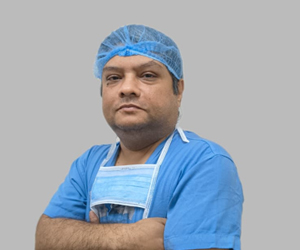
Our cataract care is supported by experienced ophthalmologists with expertise in cataract surgery and related anterior segment conditions.
Cataract & Cornea, Glaucoma Care
Reg. No.: 77461 (WBMC)
Berhampore
Pediatric & Squint, Cataract & Cornea
Reg. No.: 67273 (WBMC)
Berhampore
Cataract & Cornea, Lasik & Refractive
Reg. No.: 64686 (WBMC)
Berhampore, Saltlake
Cataract & Cornea
Reg. No.: 67279 (WBMC)
Berhampore
Cataract & Cornea
Reg. No.: 66560 (WBMC)
Berhampore
Cataract & Cornea
Reg. No.: 85827 (WBMC)
Berhampore
Patient experiences can vary depending on individual eye health, cataract severity and other clinical factors. Treatment decisions should always be made following consultation with an ophthalmologist.
Answers to some of the most common questions about cataracts, cataract surgery and recovery.
Speak with a Susrut ophthalmologist to understand your treatment options.
If cataract is affecting your vision or daily activities, speak with an ophthalmologist and find out whether cataract surgery may be appropriate for you.